
Is the Boat Ride to the Similan Islands Rough?

The honest answer is: it can be. The Similan Islands lie far out in the Andaman Sea, and the speedboat crossing is on open water with nothing to break the swell. On a calm morning it is a fast, smooth ride towards a flat blue horizon. On a windy day it is a long series of bumps, with spray over the sides and more than a few pale faces on board.
We do not sell a Similan trip, but it is a common question from travelers planning a stay in Phuket. This guide explains how the journey works from Phuket, how conditions usually change through the season and what you can do to make the crossing easier.
Why the Similan crossing is different
Most day trips from Phuket stay close to land. Coral Island is around 15 minutes from Chalong Pier, and Phang Nga Bay is sheltered by the mainland. The Similans are different. They form Mu Ko Similan National Park, roughly 70 km west of Khao Lak, and the speedboat crossing usually takes around 1 to 1.5 hours each way in normal conditions. There are no islands along the route to shelter the boat, so whatever swell is running in the Andaman Sea, you will feel it.
How the day works from Phuket
- An early pickup and a road transfer north to the piers near Khao Lak, most often Thap Lamu. The drive often takes around 1.5 to 2 hours, depending on where you stay.
- Check-in and a briefing at the pier, often with a light breakfast.
- The speedboat crossing, usually around 1 to 1.5 hours.
- Island stops for snorkeling and beaches. Koh Miang (Island No. 4) and Koh Similan (Island No. 8), with Donald Duck Bay and the Sail Rock viewpoint, are the best known. Short hops between islands are usually much calmer than the main crossing.
- The same journey in reverse, arriving back at your Phuket hotel in the evening.
That adds up to several hours in a vehicle and a good part of the day on the boat. If you are sensitive to motion, staying a night in Khao Lak before the trip shortens the morning a lot. Our guide to island tours from Khao Lak covers what else you can do from there.
How rough is it through the season?
The national park is usually open from around 15 October to around 15 May and closed during the southwest monsoon, when the sea is too rough for safe crossings and the reefs get a rest. The exact dates are announced each year by the Department of National Parks and can move with the weather. See when the Similans open and close for more.
Mid October to November
The start of the season. The monsoon is winding down but the sea can still be lively, and some days are cancelled or changed for safety. If you are prone to seasickness, this is the riskiest part of the season.
December to March
Usually the most settled weather and the calmest crossings, and the best time for a comfortable ride. It is also the busiest period, so the islands are at their most crowded.
April
Often still calm and very hot, with the occasional afternoon storm as the seasons begin to change.
Early May
As the monsoon approaches, wind and swell tend to build and rough crossings become more common, until the park closes around the middle of the month.
Whatever the month, operators and the national park can change or cancel programs for weather and sea conditions. When the sea is rough, captains slow down, so the crossing also takes longer.
What a rough crossing feels like
A speedboat rides over the waves rather than through them. On a choppy day the hull lifts and drops back onto the water, and you feel each landing through the seat. The front of the boat moves the most, spray comes over the sides, and it is hard to look at anything except the horizon. It is uncomfortable rather than dangerous, because operators do not go out in conditions they consider unsafe, but it can take the shine off the morning if you are not prepared.
How to make the crossing easier
- Pick your dates. If you get seasick, aim for December to March.
- Sit in the middle or towards the back, facing forward. Avoid the front seats.
- Ask a pharmacist about motion sickness tablets before the trip, follow the label exactly and remember that many work best taken before you board. Some cause drowsiness.
- Eat a light breakfast and avoid heavy drinking the night before.
- Look at the horizon and keep your phone in your bag during the crossing.
- Stay hydrated and sit where you get fresh air.
- Protect your things. A dry bag keeps your phone, camera and passport safe from spray.
- Tell the crew early if you start to feel unwell. They can move you to a better seat.
Our full guide to seasickness on Phuket boat tours has more tips, including what to do if you start to feel sick.
Who should think twice
A long open-sea speedboat crossing is generally not recommended for pregnant women or for anyone with back or neck problems, and it is a tough day for travelers who get badly seasick or for small children who are not used to boats. If that is you, it may be better to choose a closer island with a shorter ride.
Calmer alternatives from Phuket
If you want clear water and good snorkeling without the long crossing, these trips are much shorter:
- Raya and Coral Island snorkeling tour: Coral Island is about 15 minutes from Chalong Pier, and Racha Yai usually around 30 to 45 minutes. Racha has some of the clearest water you can reach on a day trip from Phuket, and the tour runs all year, sea conditions permitting.
- James Bond Island and Phang Nga Bay: not a snorkeling trip, but the calmest water of any island day from Phuket, with limestone towers, a sea canoe and the Koh Panyee stilt village.
Is the Similan trip worth it?
For many people, yes. The giant granite boulders, white sand and very clear blue water look quite unlike the limestone islands closer to Phuket, and the snorkeling can be excellent. If you choose your dates well and prepare for the crossing, the bumpy ride is usually forgotten once you are in the water. Our Similan Islands guide explains the islands, the park rules and how to plan a visit.
Frequently asked questions
How long is the boat ride to the Similan Islands?
Usually around 1 to 1.5 hours each way by speedboat from the piers near Khao Lak, plus a road transfer of often 1.5 to 2 hours each way from Phuket.
Which month has the calmest sea?
December to March usually brings the most settled conditions. The start and end of the season, around October to November and early May, are more likely to be rough.
Are Similan trips cancelled for bad weather?
Yes, they can be. Operators and the national park change or cancel trips when the sea is unsafe, and the park closes completely during the monsoon.
Do you sell a Similan Islands trip?
No, not at the moment. For a shorter crossing with clear water, look at the Raya and Coral Island tour, or browse all our tours.
Popular tours to book
You've read about it. Now experience it. Daily departures, instant confirmation, free 24h cancellation.
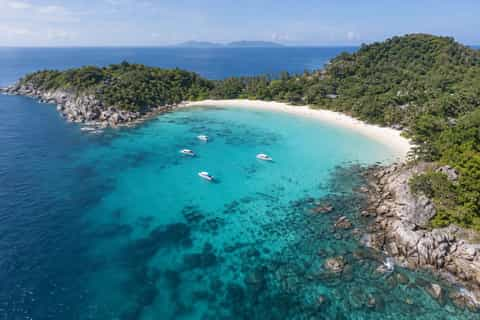
Raya & Coral Island Snorkeling Tour by Speedboat
Two islands in one easy day: Coral Island beach time, then snorkeling at Racha (Raya) Island with a seaview buffet lunch. Hotel transfer, snorkel gear and a licensed guide included.
฿2,400
per adult
James Bond Island & Phang Nga Bay by Speedboat
Full day in Phang Nga Bay by speedboat: sea canoe into the Hong Island lagoon, Koh Panyee floating village with Thai buffet lunch, James Bond Island, Ice Cream Cave and Naka Island.
฿3,500
per adult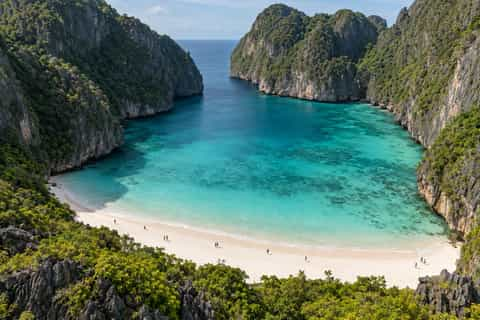
Phi Phi, Maya Bay & Khai Island by Speedboat
3 islands, 7 stops in one day by speedboat: Khai Nai, Monkey Beach, Viking Cave, Pileh Lagoon and Maya Bay. National park fee, breakfast, halal buffet lunch, snorkeling and paddle board included.
฿3,100
per adult

