
Is Seasickness Common on Phuket Boat Tours? Tips That Help

Some people can read a book on a speedboat in a swell. Others feel queasy within minutes of leaving the pier. On Phuket day trips it is not unusual to see a few passengers feeling unwell on a choppy crossing, especially on longer routes over open sea and during the monsoon months. The good news is that you can choose calmer routes, and simple preparation helps most people enjoy the day.
This guide covers why seasickness happens, which trips from Phuket are calmest, what to do before and during the trip and what to do if you start to feel sick.
Why boats make people sick
Motion sickness happens when your inner ear senses movement that your eyes do not see, for example when you look at a phone screen while the boat rolls. Your brain gets mixed signals and nausea, sweating, yawning and dizziness can follow. Anyone can get it, and being tired, hungover, hungry or anxious makes it more likely.
Two things matter most on a boat day:
- The type of boat. Speedboats are light and fast, so they bounce over waves with short, sharp movements. Large ferries are slower and roll more gently. Our comparison of big boats and speedboats goes into more detail.
- The water. From roughly May to October the southwest monsoon sends wind and swell from the open Andaman Sea onto Phuket's west side. Phang Nga Bay and Phuket's east coast are sheltered by the mainland and are usually much calmer.
Which Phuket boat trips are calmest
Calmest: Phang Nga Bay and the east coast
Phang Nga Bay is enclosed by the mainland and dozens of islands, so the water inside usually stays calm even when the west coast is rough. It is our first suggestion for anyone who gets seasick. The James Bond Island and Phang Nga Bay tour runs all year, and the day is broken up by a sea canoe trip, lunch at the Koh Panyee stilt village and a swim at Naka Island.
The Jet Ski 7 Islands tour also stays in the sheltered water off the east coast. Many people find they feel better when they are in control, because drivers anticipate each movement, which is one reason people rarely feel carsick when they drive.
Short hops: Coral Island and Racha
Coral Island is around 15 minutes by speedboat from Chalong Pier. Racha Yai lies further south in open water, usually around 30 to 45 minutes from Chalong. On the Raya and Coral Island tour you visit Coral Island first and then continue to Racha, so each leg is fairly short. In the dry season this is an easy day for most people. In the monsoon the crossing to Racha can be rough, and the guide picks the calmest bay for snorkeling.
Longer and more open: Phi Phi
The crossing to Phi Phi usually takes around 45 minutes to an hour each way, much of it on open sea, which makes it the most exposed of our tours. On the Phi Phi, Maya Bay and Khai Island tour the first stop is Khai Nai, which breaks up the outward journey. If you are prone to seasickness, prepare well for this one and, if you can, choose a date in the dry season.
Longest: the Similan Islands
The Similans involve a long drive north and then around 1 to 1.5 hours each way on open sea. We do not sell a Similan trip, but if you are considering one, read our honest guide on how rough the Similan boat ride is.
Before the trip
Medication: ask a pharmacist or doctor
Motion sickness tablets are widely sold over the counter in Phuket pharmacies. There are several types, and some cause drowsiness. Ask the pharmacist which one suits you, read the label and follow the dosing instructions exactly. Many work best when taken some time before you board, not once you already feel sick. If you are pregnant, take other medicines, have a medical condition or are buying for a child, speak to a doctor or pharmacist first. Some countries also have prescription options, such as patches, so ask your own doctor before you travel if you know you get badly seasick. Do not drive a jet ski after taking tablets that make you drowsy.
Sleep, food and drink
- Sleep well. Tiredness makes motion sickness worse, and most tours start with a 07:30 to 08:30 pickup.
- Go easy the night before. A hangover and a speedboat are a bad combination.
- Eat a light breakfast. An empty stomach does not help, but a heavy, greasy meal does not either. The Phi Phi tour includes a light breakfast at the pier.
- Sip water through the day, and carry a few plain snacks such as crackers.
Things some people find helpful
Ginger sweets or ginger tea and acupressure wristbands are popular. The evidence for them is mixed, but they are low risk and some travelers swear by them. Pack them in addition to, not instead of, the tips below.
On the boat
- Choose your seat. Sit in the middle or towards the back of the boat, facing forward. The front bounces the most. Tell the guide when you board that you get seasick, and they can help you find a better seat.
- Look at the horizon. Keep your eyes on a fixed point in the distance and your head fairly still.
- Put the phone away during the crossings. Reading and scrolling are common triggers.
- Get fresh air. Sit where you feel the breeze, away from engine fumes.
- Get in the water at the stops. Most people feel better quickly once they are swimming or standing on a beach.
Our checklist of what to bring on an island tour covers the rest of your day bag.
If you start to feel sick
- Tell the guide or crew early. They see it every day and there is nothing to be embarrassed about.
- Move to a seat in the middle or back of the boat with fresh air and a view of the horizon.
- Breathe slowly and deeply, and loosen anything tight.
- If you need to be sick, ask the crew where to go, and lean out on the side the wind is blowing away from.
- Afterwards, sip water in small amounts and rest. Most people recover soon after the boat stops.
When the sea is calmest
The dry season, roughly November to April, usually brings the calmest seas. From May to October there is more rain and rougher water on the Andaman side, but many days are still fine and tours often run. Mornings are often calmer than afternoons. If you are planning several boat days, put the most exposed trip early in your stay so there is time to move it if the forecast looks poor. Operators and the national park can change or cancel programs for weather and sea conditions.
Frequently asked questions
Which Phuket island tour is best if I get seasick?
James Bond Island and Phang Nga Bay. The bay is sheltered by the mainland, so the water is usually calm in both seasons. The Raya and Coral Island tour is a good second choice in the dry season because each boat ride is fairly short.
Is the boat ride to Phi Phi rough?
It depends on the day. In the dry season it is often smooth, but it is the most exposed crossing of our tours, and it can be bumpy when the wind picks up, especially from May to October.
Can children take seasickness tablets?
Some products are not suitable for young children, and doses differ. Ask a pharmacist or doctor, tell them the child's age and weight, and follow their advice exactly.
What happens if the sea is too rough to go?
The captain and operator decide on the day, and programs can change or be cancelled for safety. Our terms explain what happens to your booking.
Popular tours to book
You've read about it. Now experience it. Daily departures, instant confirmation, free 24h cancellation.

James Bond Island & Phang Nga Bay by Speedboat
Full day in Phang Nga Bay by speedboat: sea canoe into the Hong Island lagoon, Koh Panyee floating village with Thai buffet lunch, James Bond Island, Ice Cream Cave and Naka Island.
฿3,500
per adult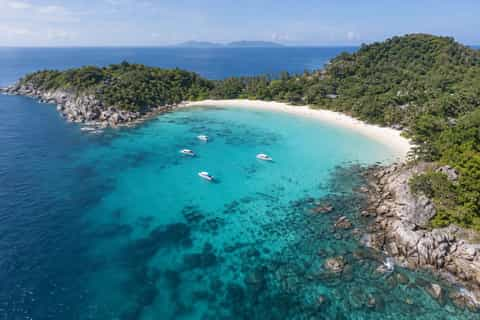
Raya & Coral Island Snorkeling Tour by Speedboat
Two islands in one easy day: Coral Island beach time, then snorkeling at Racha (Raya) Island with a seaview buffet lunch. Hotel transfer, snorkel gear and a licensed guide included.
฿2,400
per adult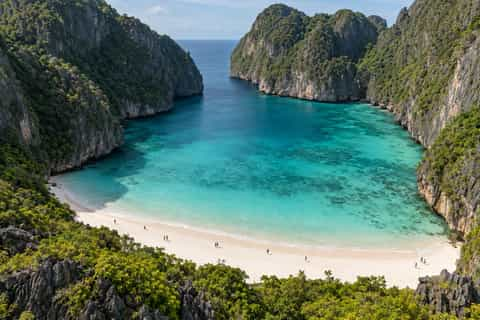
Phi Phi, Maya Bay & Khai Island by Speedboat
3 islands, 7 stops in one day by speedboat: Khai Nai, Monkey Beach, Viking Cave, Pileh Lagoon and Maya Bay. National park fee, breakfast, halal buffet lunch, snorkeling and paddle board included.
฿3,100
per adult

