Coral Reefs Near Phuket: Conservation and Snorkeling
The State of Phuket's Coral Reefs
Coral reefs in the Andaman Sea around Phuket have faced significant challenges: coral bleaching events (notably in 2010 and 2016), tourism damage, anchoring, sedimentation, and climate change. However, conservation efforts and marine park management have led to meaningful recovery in protected areas.
Best Reefs for Snorkeling
Similan Islands
The Similan Islands have some of the healthiest reefs in Thailand. The annual 5-month closure allows recovery, and strict park management limits damage. Hard corals are thriving in many areas, with excellent coverage at Islands 4, 8, and 9.
Surin Islands
Similar to the Similans, the Surin Islands benefit from seasonal closure and remote location. The reefs here are in good condition with diverse coral species.
Phi Phi Islands
The reefs around Phi Phi have been heavily impacted by tourism. Recovery is ongoing, particularly at Maya Bay (now closed to swimming). Shark Point and Loh Samah still offer decent snorkeling with recovering coral and abundant fish life.
Koh Racha
Racha Yai has coral restoration projects underway. Artificial reef structures have been installed to encourage coral growth. Snorkeling visibility is usually very good.
Coral Island (Koh Hae)
Coral Island has moderate coral health. Being close to Phuket and heavily visited, the reefs have experienced damage. The snorkeling is still enjoyable but not comparable to the Similans.
Conservation Efforts
Marine National Parks
Thailand's marine national park system is the primary conservation tool. Seasonal closures, daily visitor limits, and no-take zones protect critical reef areas. The success is visible: areas that were degraded 10 years ago are showing recovery.
Maya Bay Restoration
The closure of Maya Bay from 2018 to 2022 and the ongoing swimming ban have been a high-profile success story. Coral has regrown and marine species have returned. Read more in our Maya Bay swimming guide.
Coral Nurseries and Restoration
Several organizations around Phuket operate coral nursery programs. Coral fragments are grown in nurseries and transplanted onto damaged reefs. Some dive shops offer "coral planting" experiences where tourists can participate (for a fee, typically 1,500 to 3,000 THB).
Reef-Safe Sunscreen
Some marine parks in Thailand have banned or restricted sunscreens containing oxybenzone and octinoxate, which damage coral. While enforcement is inconsistent, choosing reef-safe sunscreen is one of the most impactful things individual snorkelers can do.
How You Can Help
- Use reef-safe sunscreen. Look for mineral-based (zinc oxide or titanium dioxide) formulas without oxybenzone.
- Do not touch or stand on coral. Even gentle contact can damage years of growth.
- Do not feed fish. It disrupts natural feeding patterns and reef ecology.
- Do not take anything from the reef. No shells, no coral, no starfish.
- Choose responsible tour operators who follow park rules and educate guests.
- Support marine national parks by paying entrance fees without complaint. The money funds conservation.
- Participate in coral planting or beach cleanup activities if interested.
The Future
Climate change remains the biggest threat to Phuket's reefs. Rising sea temperatures cause coral bleaching events that can devastate reefs in weeks. The 2016 bleaching event damaged many sites around Phuket. However, the recovery seen in protected areas like the Similans and Maya Bay shows that reefs can bounce back when given the chance.
Every tourist who snorkels responsibly and supports conservation efforts contributes to the long-term health of these ecosystems. Browse our available tours to experience Phuket's reefs firsthand.
Popular tours to book
You've read about it. Now experience it. Daily departures, instant confirmation, free 24h cancellation.
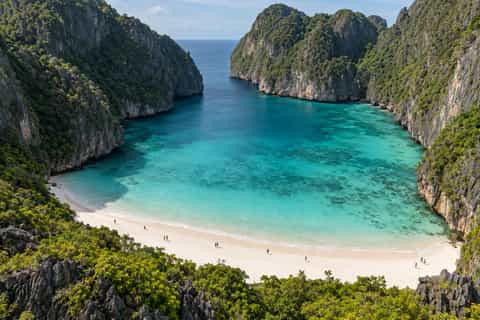
Phi Phi, Maya Bay & Khai Island by Speedboat
3 islands, 7 stops in one day by speedboat: Khai Nai, Monkey Beach, Viking Cave, Pileh Lagoon and Maya Bay. National park fee, breakfast, halal buffet lunch, snorkeling and paddle board included.
฿3,100
per adult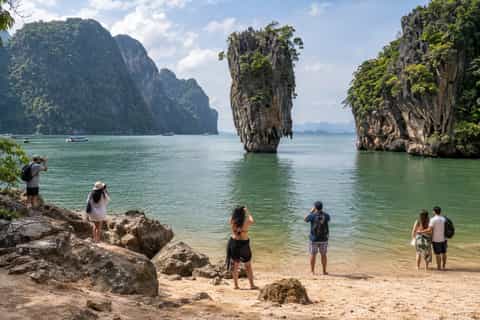
James Bond Island & Phang Nga Bay by Speedboat
Full day in Phang Nga Bay by speedboat: sea canoe into the Hong Island lagoon, Koh Panyee floating village with Thai buffet lunch, James Bond Island, Ice Cream Cave and Naka Island.
฿3,500
per adult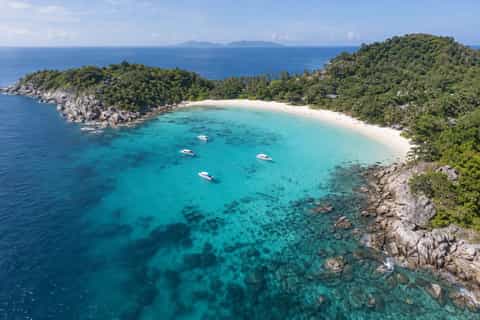
Raya & Coral Island Snorkeling Tour by Speedboat
Two islands in one easy day: Coral Island beach time, then snorkeling at Racha (Raya) Island with a seaview buffet lunch. Hotel transfer, snorkel gear and a licensed guide included.
฿2,400
per adult