Jellyfish Season in Phuket: Box Jellyfish, Sea Lice and Safety
Jellyfish in Phuket
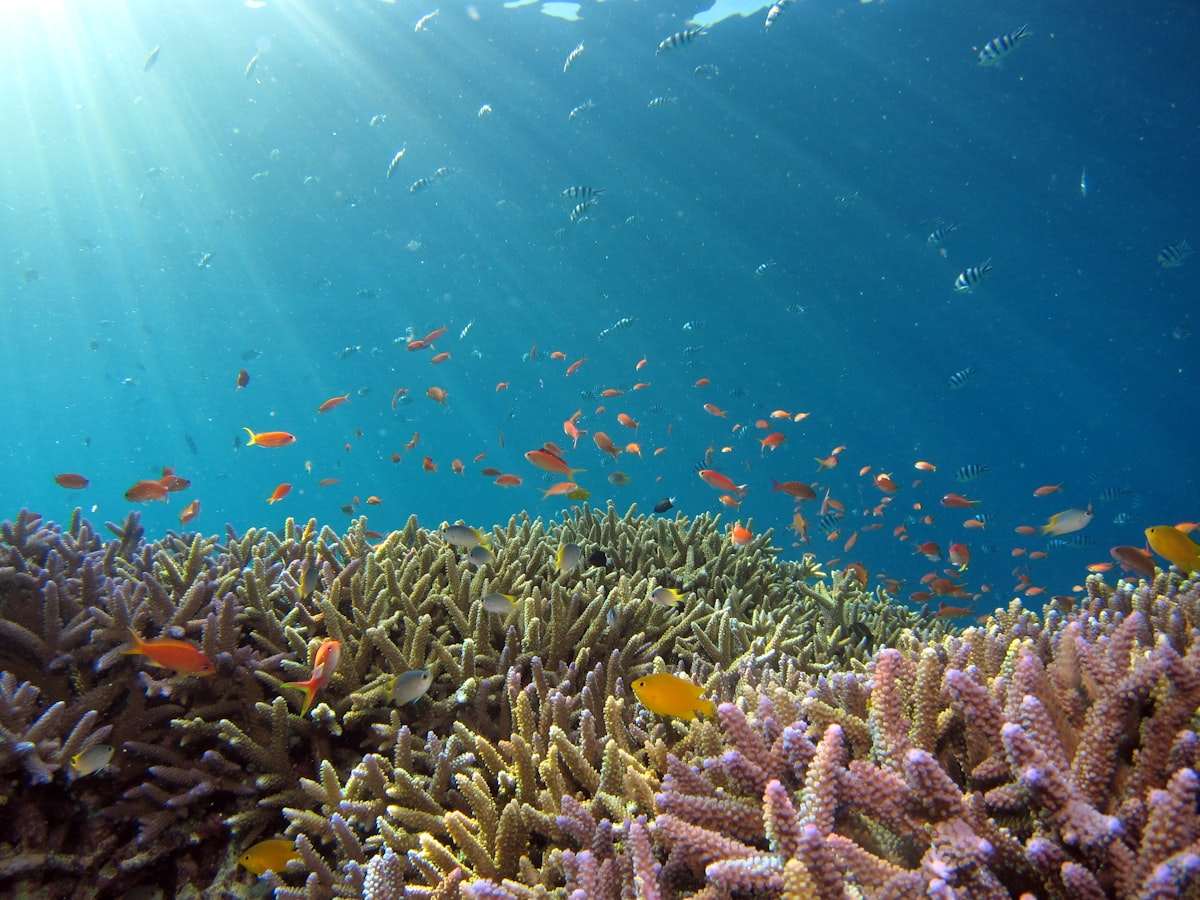
Jellyfish are part of the marine ecosystem around Phuket. While encounters are relatively uncommon, being aware of when and where jellyfish are more likely helps you stay safe during beach swimming and island tours.
When Are Jellyfish Most Common?
Jellyfish can appear year-round, but they are more prevalent during:
- Rainy season (May to October): Warmer water, nutrient blooms, and onshore currents bring more jellyfish close to beaches.
- After storms: Strong winds and currents can push jellyfish toward shore.
- Night and early morning: Many jellyfish species come closer to the surface at night.
Peak months for jellyfish reports on Phuket beaches are typically June to September.
Species to Know About
Box Jellyfish in Phuket (Chironex and Chiropsalmus)
The most dangerous jellyfish in Thai waters. Box jellyfish stings can be extremely painful and, in rare cases, life-threatening. Box jellyfish are more common in the Gulf of Thailand (east coast) but have been recorded in the Andaman Sea around Phuket, so beach warning signs and vinegar stations are taken seriously here too.
- Nearly transparent, making them hard to see
- Tentacles can extend up to 3 meters
- Most sightings: shallow water near beaches during rainy season
Portuguese Man-of-War (Bluebottle)
Not technically a jellyfish but a colony of organisms. Recognizable by their blue, inflated float. Stings are very painful but rarely life-threatening.
- More common during monsoon season
- Often washed up on beaches by onshore winds
Common Jellyfish
Various smaller jellyfish species are common and cause mild stings similar to a bee sting: brief pain, redness, and itching that resolves within hours.
Sea Lice (Seabather's Eruption)
What swimmers in Thailand sometimes call "sea lice" is not an insect. It is a stinging reaction from the larvae of tiny jellyfish or anemones, trapped under a swimsuit or rash guard against the skin. It shows up as an itchy, bumpy rash under swimwear, usually starting hours after you leave the water rather than during the swim, and is more likely during jellyfish season (May to October). It is uncomfortable but not dangerous. Rinse off and change out of a wet swimsuit as soon as possible after swimming, and avoid reusing an unwashed swimsuit the same day, to lower the risk.
What to Do If Stung
- Exit the water.
- Do NOT rub the area. This can trigger unfired stinging cells.
- Remove tentacles carefully using tweezers, a credit card edge, or a stick. Do not use bare hands.
- Rinse with vinegar if available. Many beaches and tour boats in Phuket carry vinegar. Vinegar neutralizes box jellyfish stinging cells.
- For box jellyfish stings: Call emergency services (1669 in Thailand) immediately if the victim shows signs of severe reaction: difficulty breathing, chest pain, severe swelling.
- Apply hot water (not scalding, about 45 degrees Celsius) to the sting area for 20 minutes. Heat deactivates the venom. Studies show hot water is more effective than ice for jellyfish stings.
- Do NOT use freshwater, urine, or alcohol on the sting. These can worsen it.
- Take over-the-counter pain relief (ibuprofen or paracetamol) for pain.
- Seek medical attention if symptoms are severe or do not improve.
How to Minimize Risk
- Wear a rash guard or wetsuit. Covering skin significantly reduces sting risk. Even a thin lycra suit provides protection. Many tour operators provide rash guards for snorkeling.
- Check with lifeguards about jellyfish advisories at beaches.
- Look for warning signs. Thai authorities post jellyfish warning signs at affected beaches.
- Avoid swimming after storms or when jellyfish have been spotted nearby.
- Shuffle your feet when wading to avoid stepping on anything.
- Carry vinegar as a precaution if swimming during jellyfish season.
On Island Tours
Jellyfish encounters during island tours are uncommon because:
- Tour operators know local conditions and avoid areas with jellyfish activity
- Snorkeling at offshore islands (Phi Phi, Similans) has lower jellyfish density than near-shore beaches
- Most tours provide life jackets and some provide rash guards, which offer sting protection
If you are concerned, wearing a rash guard during all water activities eliminates most risk. Our Phi Phi, Maya Bay and Khai Island tour and other speedboat trips to the outer islands supply life jackets and snorkeling gear, and guides know current conditions at each stop. Browse our available tours or contact us with any safety questions.
Frequently asked questions
When is jellyfish season in Phuket?
Jellyfish are present year-round but are most often reported from May to October, during the rainy season, with June to September usually the peak months.
Are there box jellyfish in Phuket?
Box jellyfish are more common on Thailand's Gulf coast than in the Andaman Sea around Phuket, but sightings do happen here. Treat warning signs seriously, carry vinegar during jellyfish season and wear a rash guard if you are concerned.
What should I do if I am stung by a jellyfish in Phuket?
Leave the water, do not rub the sting, remove any tentacles with tweezers or a card edge rather than bare hands, rinse with vinegar if you have it, and apply hot water (around 45°C) for 20 minutes. Call 1669 immediately for a box jellyfish sting with breathing difficulty, chest pain or severe swelling.
What is sea lice and is it the same as a jellyfish sting?
Sea lice, or seabather's eruption, is a rash from tiny jellyfish or anemone larvae trapped under swimwear. It is related to jellyfish but is a different, milder reaction that appears under the swimsuit rather than on exposed skin, and usually settles on its own.
Popular tours to book
You've read about it. Now experience it. Daily departures, instant confirmation, free 24h cancellation.
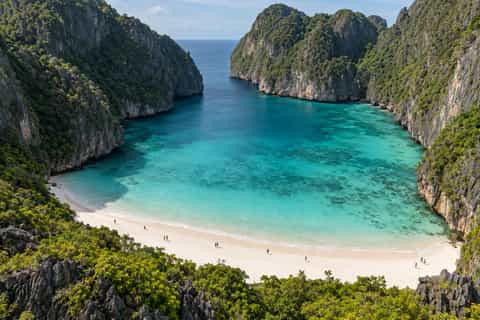
Phi Phi, Maya Bay & Khai Island by Speedboat
3 islands, 7 stops in one day by speedboat: Khai Nai, Monkey Beach, Viking Cave, Pileh Lagoon and Maya Bay. National park fee, breakfast, halal buffet lunch, snorkeling and paddle board included.
฿3,100
per adult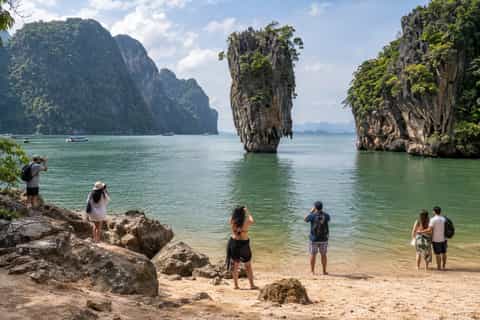
James Bond Island & Phang Nga Bay by Speedboat
Full day in Phang Nga Bay by speedboat: sea canoe into the Hong Island lagoon, Koh Panyee floating village with Thai buffet lunch, James Bond Island, Ice Cream Cave and Naka Island.
฿3,500
per adult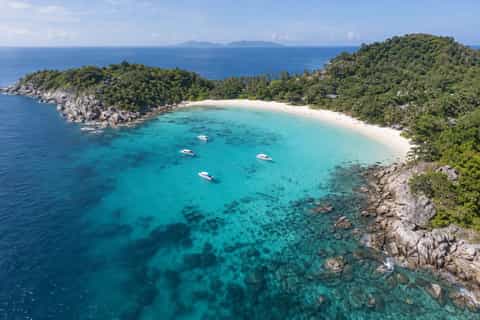
Raya & Coral Island Snorkeling Tour by Speedboat
Two islands in one easy day: Coral Island beach time, then snorkeling at Racha (Raya) Island with a seaview buffet lunch. Hotel transfer, snorkel gear and a licensed guide included.
฿2,400
per adult