Best Underwater Photography Spots Near Phuket
Why Phuket Is Great for Underwater Photography
The Andaman Sea around Phuket offers clear water (especially November to April), diverse marine life, colorful coral, and dramatic underwater landscapes. Whether you are a snorkeler with a GoPro or a diver with professional gear, there are excellent subjects and settings.
Top Spots for Snorkelers
Similan Islands
The Similan Islands are the gold standard. Visibility regularly exceeds 25 meters in peak season. Subjects include: sea turtles, reef sharks, massive coral formations, colorful fish schools, and dramatic granite boulder landscapes.
Phi Phi Islands
Pileh Lagoon offers above-water landscape shots from the water level. Shark Point near Phi Phi provides blacktip reef shark encounters in clear water. Loh Samah Bay has good coral and fish diversity.
Koh Racha
Excellent visibility and calm conditions make Racha Yai's bays ideal for beginners learning underwater photography. Sea turtles are common subjects.
Top Spots for Divers
Richelieu Rock
The premier underwater photography site accessible from the Phuket region. Located north of the Similans, Richelieu Rock is covered in soft corals, hosts seahorses, and is the best spot for whale shark encounters. Accessible by liveaboard from Khao Lak.
Similan Islands (Dive Sites)
Christmas Point (Island 9), Elephant Head Rock, and West of Eden offer underwater boulders covered in soft corals, swim-throughs, and diverse marine life. Excellent for wide-angle photography.
Hin Daeng / Hin Muang
Deep-water pinnacles south of Phuket with soft coral walls, manta rays, and pelagic fish. Some of the most colorful dive sites in Thailand. Day trips from Phuket are long but possible.
King Cruiser Wreck
A sunken car ferry between Phuket and Phi Phi. Covered in marine growth, it hosts large schools of fish, scorpionfish, lionfish, and barracuda. Good for wreck photography at 12 to 30 meters depth.
Recommended Gear
For Snorkelers
- GoPro or similar action camera with underwater housing (most GoPros are waterproof to 10 meters without housing)
- Red filter for color correction underwater (restores warm tones lost at depth)
- Floaty handle or wrist strap so you do not lose your camera
- Selfie stick or dome port for split-level (half underwater, half above) shots
For Divers
- Compact camera in underwater housing (Olympus TG series, Sony RX100 series are popular choices)
- DSLR or mirrorless in dedicated housing for professional results
- Strobe lights: Essential for restoring color and eliminating backscatter at depth
- Wide-angle lens: For reef scenes, landscapes, and large marine life
- Macro lens: For seahorses, nudibranchs, and small creatures
Tips for Better Underwater Photos
- Get close. Water reduces contrast and color. The closer you are to your subject, the better the image.
- Shoot upward. Position yourself below the subject and shoot toward the surface for the best lighting and background.
- Be patient. Wait for marine life to come to you rather than chasing it.
- Control your buoyancy. Steady position prevents blurry shots and avoids damaging coral.
- Shoot in the morning. Natural light is strongest and visibility is best in the morning before afternoon winds stir sediment.
- Use the sun. Position yourself so sunlight falls on your subject, creating natural lighting effects.
For the best underwater photography conditions, visit during peak season (December to March) and choose the Similan Islands for the clearest water. We do not sell diving or Similan trips. For snorkeling closer to Phuket, our available tours include Racha Yai and Phi Phi.
Popular tours to book
You've read about it. Now experience it. Daily departures, instant confirmation, free 24h cancellation.
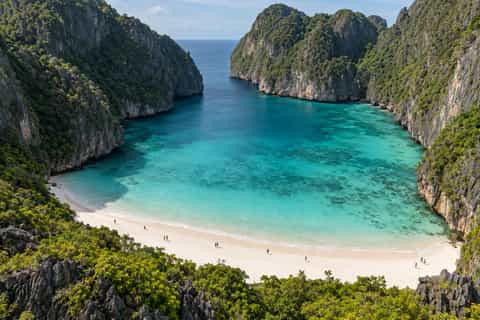
Phi Phi, Maya Bay & Khai Island by Speedboat
3 islands, 7 stops in one day by speedboat: Khai Nai, Monkey Beach, Viking Cave, Pileh Lagoon and Maya Bay. National park fee, breakfast, halal buffet lunch, snorkeling and paddle board included.
฿3,100
per adult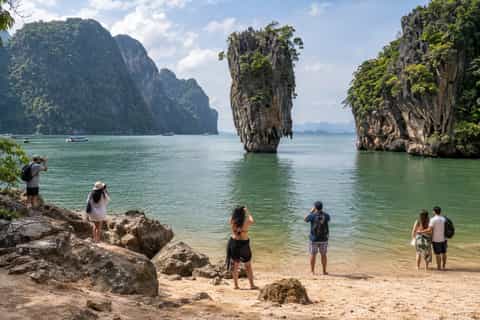
James Bond Island & Phang Nga Bay by Speedboat
Full day in Phang Nga Bay by speedboat: sea canoe into the Hong Island lagoon, Koh Panyee floating village with Thai buffet lunch, James Bond Island, Ice Cream Cave and Naka Island.
฿3,500
per adult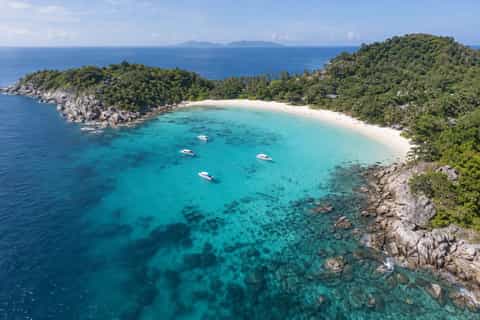
Raya & Coral Island Snorkeling Tour by Speedboat
Two islands in one easy day: Coral Island beach time, then snorkeling at Racha (Raya) Island with a seaview buffet lunch. Hotel transfer, snorkel gear and a licensed guide included.
฿2,400
per adult